Croydon moves at a clip. Trains slide in and out of East Croydon like clockwork, trams weave across town, meetings stack up, and lunch is often a coffee gulped between calls. If you are carrying a stiff neck from endless Teams sessions, a lower back that protests on the Gatwick line, or a shoulder made grumpy by weekend five-a-side, you are not alone. The right Croydon osteopath can help you keep moving well without adding friction to your week.
This guide distils what busy professionals actually need from an osteopathy clinic in Croydon. It blends hands-on experience with evidence-informed reasoning, and it accounts for the trade-offs that matter when time is tight. Whether you are in South Croydon, Purley, Addiscombe, or within a quick hop of the town centre, you will find practical detail about access, assessment, osteopathic treatment options, and how to decide what qualifies as the best osteopath Croydon for your situation.
Why osteopathy fits the working rhythm of Croydon
The whole point of seeing a local osteopath Croydon is not just to feel better after a session, but to stay better while you keep doing life at speed. Osteopaths are regulated primary healthcare professionals in the UK, registered with the General Osteopathic Council. Training is typically four to five years at degree or masters level, with anatomy, physiology, pathology, clinical reasoning, and supervised practice baked in. In day-to-day terms that means your registered osteopath Croydon is equipped to assess, to recognise what fits their scope, to refer if something needs GP or imaging input, and to deliver manual therapy alongside movement, load management, and workplace coaching.
From a practical standpoint, osteopathy blends well with the typical Croydon diary. Many clinics open early, run into the early evening, and offer Saturday slots. Most initial appointments last 45 to 60 minutes, with follow-ups commonly 30 to 40 minutes. Fees vary across the borough, but a realistic range at the time of writing is £55 to £85 for an initial consultation and £45 to £70 for follow-ups. For a consultant or senior manager who measures time in 30-minute blocks, that structure tends to slot in neatly.
What a good assessment looks like when time is scarce
A quick back rub is not an assessment. If you are seeing an osteopathy clinic Croydon that works well for professionals, the first visit should feel like a clear, structured conversation followed by specific movement tests. Expect your clinician to listen more than they talk for the first 10 minutes. They should ask about onset, aggravating and easing factors, sleep, stress, workload, sports, previous episodes, and any red flags. Commuting patterns matter here, because an hour on the Brighton Main Line with a laptop perched on the knee tells a different story than a ten-minute tram hop to Wellesley Road.
A thorough physical exam usually includes observation of posture and gait, active movements, specific joint tests, neural screening where appropriate, and basic functional measures that align with your job demands. If typing for two hours without symptoms is the outcome that matters, it belongs in the plan. Useful baseline tools include a numeric pain rating, the Patient-Specific Functional Scale with two or three chosen tasks, and sometimes region-specific measures such as the Oswestry Disability Index for persistent lower back issues.
The best clinics quickly separate what they can help with from what needs escalation. If you report sudden severe night pain that does not ease with rest, unexplained weight loss, new neurological changes like constant numbness in a saddle area, or red-flag trauma, you should hear clear advice to see your GP urgently or attend A&E. A registered osteopath Croydon is trained to have these boundaries.
What osteopathic treatment involves, without the jargon
Osteopathic treatment Croydon varies based on your presentation. It is not mystical, and it rarely needs to be forceful to be effective. A typical plan might combine several of the following, selected for your frame, irritability level, and goals.
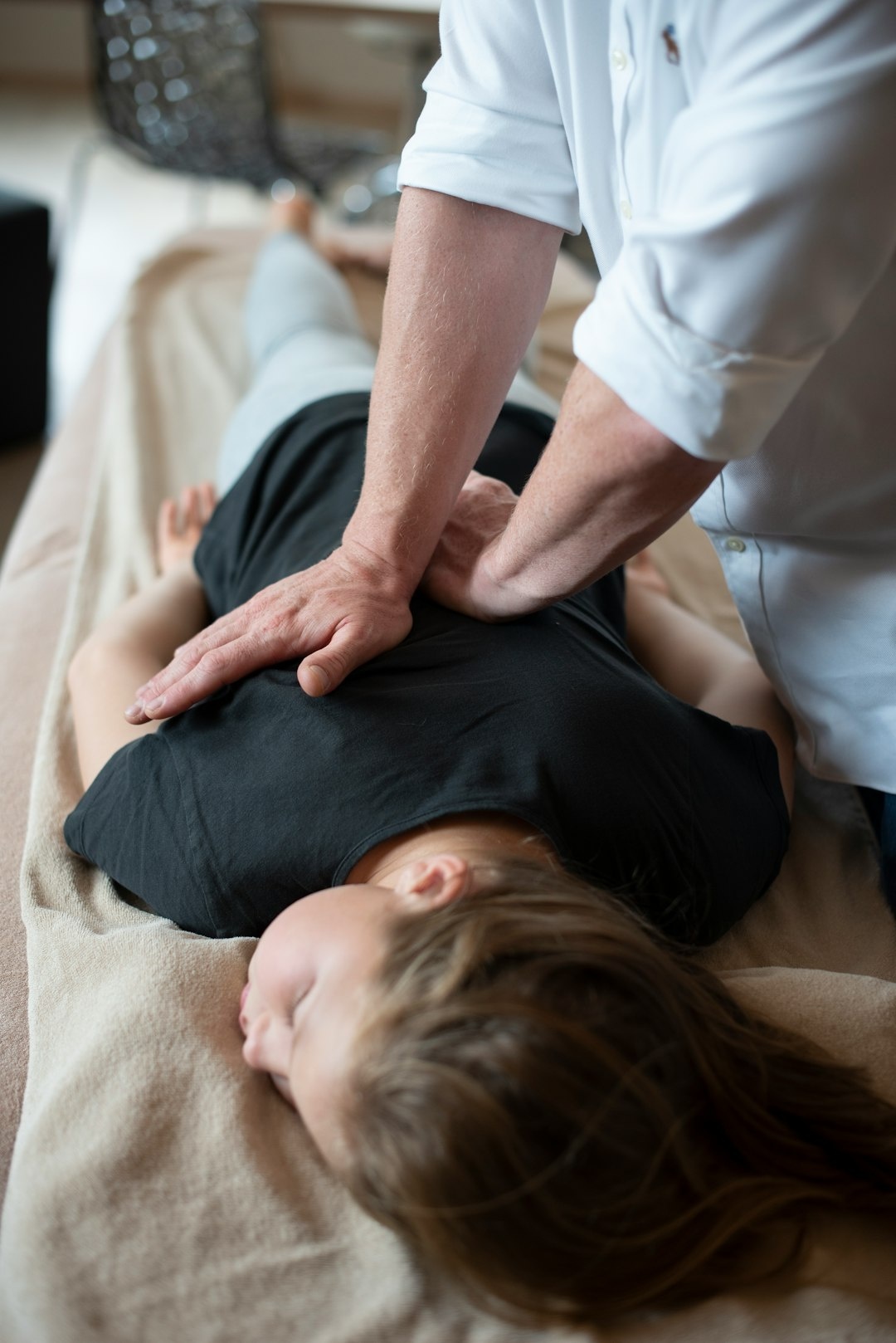
Manual therapy. This is the hands-on part. It can include soft-tissue techniques that feel like targeted, pressure-based massage to calm protective muscle tone; joint mobilisations that gently move stiff segments through limited ranges; and, when appropriate, high-velocity techniques that create a small joint release. The aim is to modulate pain, restore movement, and create a short window where you can move better and build tolerance. For those seeking manual therapy Croydon, the emphasis should remain on comfort, consent, and specificity, not sheer force.
Movement and load progression. Manual work by itself is not the final answer. A smart plan prioritises exercises that slot into work breaks, the living room, or a small hotel gym if you travel. Think two to six targeted drills rather than a 30-minute circuit. Examples include a calf-raise and step-down pairing for niggling Achilles pain from tram-stop sprints, or thoracic rotation work for desk-locked upper backs combined with rowing patterns you can do with a resistance band.
Education that sticks. Pain science matters, but only insofar as it changes what you do on Wednesday afternoon. Clear explanations about why your sciatica flares after three hours in a static posture can lead to micro-breaks every 40 minutes, a re-think of seating, and a shift from fear avoidance to planned exposure.
Workstation and commute tweaks. Many Croydon patients split time between office and home. That requires adaptable advice. A few centimetres of monitor height, a different seat pan tilt, a footrest osteopathy clinic Croydon improvised from a storage box, or learning to use the lumbar support that has been ignored on your office chair can ease symptoms more than another ten minutes of hands-on work. For commuters, small strategies help, like alternating standing and sitting on the train, placing backpacks high across both shoulders, and bracing suitcases against the shin while queuing.
Adjuncts when relevant. Taping for a tender knee on match day, a short-term elbow strap for irritable lateral epicondylalgia if you have to finish a pitch deck, or a heat-and-mobilise routine first thing in the morning for a stiff lower back. These are tools to buy you time while you load tissues sustainably.
Evidence, outcomes, and the honest middle ground
People often ask whether there is evidence that osteopathy works. The honest answer is that osteopathy is a profession, not a single technique, and the research lens tends to focus on components that osteopaths use daily. Manual therapy, when combined with exercise and advice, has supportive evidence for non-specific low back pain and some neck pain presentations. UK guidance for low back pain and sciatica recognises manual therapy, including manipulation and mobilisation, as an option only when delivered alongside exercise and psychological approaches. That is the middle ground your Croydon osteopath should inhabit: less about miracle fixes, more about a pragmatic combination that gets you back to what matters.
In clinic, outcomes improve most when two conditions are met. First, the plan reflects your real constraints. A finance manager on quarterly reporting cannot commit to a 40-minute exercise block daily, but they might nail five minutes at 7 a.m., a two-minute mid-morning pause, and a five-minute wind-down before bed. Second, the dosage is specific enough to progress. Two sets of eight slow heel raises every other day may be the right start for a plantar fascia complaint if you also walk 12,000 steps most days between platform and office.
Anecdotally, the difference between three sessions that change nothing and three sessions that turn the ship often boils down to one exact tweak. A South Croydon designer with months of stubborn neck pain improved only after we swapped a deep feather pillow for a shallower foam option and set three phone alerts to break up afternoon drawing sprints. No extra hands-on time, just the right lever.
Conditions busy professionals in Croydon most often bring to clinic
Patterns repeat across tram lines and office floors. The top handful of presentations we see in a Croydon osteopathy clinic look familiar, but each has nuance.
Lower back pain with or without leg referral. Often aggravated by long sitting, car commutes on the A23, and weekend DIY. The key is finding positions of relief, building tolerance to flexion and extension gradually, and managing flare-ups so they settle in days, not weeks. Where leg symptoms include pins and needles or pain past the knee, a measured nerve mobility program can help, paired with careful load management.
Neck and shoulder tightness from desk or device time. Not just posture, but exposure. Laptops, dual monitors, and frequent phone use add cumulative load. Targeted manual therapy here can reduce pain sensitivity enough to let you strengthen rotator cuff and scapular muscles, while you trim screen time in long chunks.
Tendinopathies around the elbow, hip, and Achilles. Repetitive strain from typing, gym pull-ups done to failure after a long hiatus, or a midlife return to tennis. Evidence tends to support progressive loading with minimal long static stretching, layered with isometrics when pain is high. Manual therapy can support your progression by desensitising painful tissues and improving movement quality.
Headache patterns with a musculoskeletal component. Cervicogenic and tension-type headaches respond to a blend of neck and upper-back mobilisation, pressure-based soft tissue work, and movement re-education. The trick is building a plan that reduces triggers such as prolonged forward head position without selling you the myth of a perfect posture.
Knee pain for runners and footballers. Patellofemoral pain thrives on sudden changes in volume and hill work. Expect gait cues, a focus on hip and quad strength, and careful progression. Manual therapies around the lateral thigh and knee can ease symptoms between runs. Taping may help you complete a cup match without paying for it for a week.
Croydon-specific access: getting there without wrecking your diary
Location matters. If your osteopath near Croydon is hard to reach, you will defer care until the next flare. The borough is unusually well connected. East Croydon sits on mainline routes from London Bridge and Victoria with fast trains every few minutes at peak times. South Croydon station serves local lines toward Purley and Caterham, useful for those in Sanderstead or Coulsdon. Trams from Beckenham Junction and New Addington cut across Addiscombe, Sandilands, and Centrale. Many clinics sit within a seven-minute walk of a station or tram stop, and some have limited on‑site parking or short-stay bays nearby. If you cycle, ask about secure storage, and if you ride a motorcycle, check for off-street options because some residential roads in South Croydon fill quickly after 6 p.m.
Remote triage also helps. A fair number of Croydon osteopaths offer a brief phone call to decide whether you need hands-on care now or if simple self-management and a check-in will do. That alone saves needless travel for minor, self-limiting issues, and it routes urgent cases faster.
What sets a registered osteopath Croydon apart when you are busy
Credentials matter most when something goes wrong. A registered osteopath is legally required to maintain professional indemnity coverage, complete continuing professional development, and practise to defined standards. Beyond that baseline, look for three practical differences that mark quality in this borough.
First, coherent communication. You should leave the first appointment knowing the working diagnosis, what will be done in the next two sessions, and how you will measure progress by a date that matters to you. If you need to be fit to present at a board offsite in three weeks, the plan must work backward from that.
Second, context-aware planning. Many Croydon professionals split time between home offices and central London. Your plan should include an office-based version of your exercises, a travel-safe version with bands, and a jet-lag adjustment if you fly. It should also allow for load spikes, such as audit weeks or a product release sprint.
Third, referral networks and boundaries. An osteopath who knows local GPs, physios, imaging centres in or near Croydon, and sports coaches can smooth your path. If your knee swells after stairs, or pins and needles progress, you should see the clinician change gears, not carry on as usual.
A short list of situations that deserve rapid attention
- Severe unremitting pain at night not eased by position, especially with systemic signs like fever or unexplained weight loss. New or worsening numbness in the groin or inner thighs, changes in bladder or bowel control, or progressive leg weakness. Significant trauma with inability to bear weight, major swelling, or visible deformity. Sudden severe headache unlike your usual pattern, or headache with fainting, confusion, or neurological symptoms. Calf pain and swelling after long travel or immobility, particularly if tender and warm.
If any of these fit, your local osteopath should direct you to urgent medical care rather than book you in for routine manual therapy.
What a first appointment typically feels like
You arrive a few minutes early, perhaps straight from East Croydon with a bag on your shoulder. After a brief intake, you sit down with the clinician who listens to your story and asks focused questions. The examination involves moving in ways that reproduce or ease your symptoms, plus a few strength and control tests. You stay dressed as much as possible for comfort, with areas exposed only as needed. Consent for everything is explicit. The therapist outlines a working diagnosis, for instance a flexion-intolerant lower back pain with mild neural irritation, explains what that means in day-to-day language, then offers a plan.
Treatment on day one is usually a blend of gentle joint mobilisations, soft-tissue work to calm protective guarding, and one or two exercises to restore movement. You leave with three clear actions: a short home plan, a guideline for pacing at work and during your commute, and what to do if symptoms spike. The follow-up is booked at a cadence that matches irritability. For a fresh low back flare, that could be in five to seven days; for a two-month elbow niggle, ten to fourteen may suffice.
How many sessions, how often, and how you will know it is working
There is no universal number. For new mechanical lower back or neck pain without significant nerve symptoms, two to four sessions over two to three weeks often produce meaningful change when combined with a targeted home plan. Persistent issues with several flare-ups per year may need a short block of care, a consolidation phase with gradually reducing contact, and a three-month check-in. If nothing changes by the second or third visit, the plan should be re-evaluated, or a referral made.
You will recognise progress in three ways. Pain intensity eases or becomes less constant. Function returns in measurable tasks, like driving the A232 without needing to stop, typing for an afternoon without neck pain building, or climbing four flights in the Whitgift Centre garage without knee discomfort. Confidence grows. Fear of certain movements recedes, sleep improves, Croydon osteopath and you stop bracing for pain with every reach or twist.
A case vignette from South Croydon
A project manager based near South Croydon station arrived with right-sided neck pain that had lingered for eight weeks. Pain peaked during late meetings and on morning train rides. She had tried ad hoc massages and over-the-counter analgesics, with only transient relief.
Assessment found sensitive upper trapezius and levator scapulae, reduced rotation to the right by about 25 percent, and early fatigue of lower trapezius on a simple hold test. The quick posture story was familiar, but the important detail was her schedule. She ran critical calls from 4 to 6 p.m., then took the 6:22 train, often glued to a phone.
Treatment blended low-grade joint mobilisations through the mid-cervical spine, targeted soft-tissue work, and two drills: a light scapular set with band rows for endurance and a thoracic open-book rotation. We added two behaviour changes. First, a headset for late calls with the laptop elevated on a riser at home. Second, a rule on the train: no phone use for the first ten minutes, then hold the device at eye level. She booked three sessions in two weeks, did the drills five days out of seven, and added a weekend swim. By the third visit, rotation was almost equal, evening pain had dropped from 7 out of 10 to 3 or 4, and she had resumed a short weights session twice a week. No miracle, just the right mix of hands-on care, load, and logistics.
The commuting body: micro-strategies that pay off
Croydon’s blended commute culture deserves specific tactics. On trains, vary position every 15 to 20 minutes when possible. If you must work, place the laptop on a bag so the screen sits higher, and use a compact keyboard. Stand at carriage ends for a few minutes between stops to introduce light, frequent movement. On trams, widen your base of support in standing, soften the knees, and avoid twisting to view your phone at hip level. In cars, set the seat so your hips are slightly higher than the knees, nudge the lumbar support to a comfortable contact point, and build a habit of gentle pelvic rocks at red lights.
Shoes matter more than you think. A smart, slightly cushioned sole for the station striding often beats a hard leather sole. For those with Achilles or plantar issues, a small heel drop tends to be friendlier than a dead-flat sole during a flare. A Croydon osteopath who thinks beyond the clinic couch will ask about this early.
Week-to-week training in a real life
When life is busy, intense weekend efforts create disproportionate strain. The remedy is rarely to stop moving, but to distribute load better. If you play five-a-side on Thursday, consider a light run or cycle on Monday, strength work on Tuesday, rest Wednesday, then football, followed by mobility work Friday and a moderate activity Saturday. If you are preparing for a 10K at Lloyd Park or along the Wandle, progress your long run by small, steady increments and keep hill volume honest. Tendons hate surprise party workloads.
Inside the clinic, programming can be stripped to essentials. For example, for an office-based runner with kneecap pain, the core of a two-week micro-cycle could be step-downs from a 15 to 20 cm box, slow tempo squats within a tolerable range, isometric wall sits at mild discomfort, and two run-walk sessions with controlled cadence around 165 to 175 steps per minute. Manual therapy supports this by settling sensitive tissue so you can tolerate the plan.
How to evaluate the best osteopath Croydon for your needs
Credentials and location filter the list, but the best fit comes down to how well a clinician maps care to your reality. Scan clinic sites for evidence of thinking about commuters, hybrid work, and sport. Ask how they measure progress and when they refer on. In the first session, notice whether the therapist summarises your story back to you accurately. That reflective listening is a proxy for clinical reasoning.
If you have a specific aim, state it. Preparing for a charity ride to Brighton in six weeks feels different from aiming to sit pain-free for GCSE marking marathons. A good osteopath will welcome that constraint and work with it, not around it. Beware of plans with no end stage or those that treat you identically visit after visit regardless of change.
Turning the dial at your workstation without buying a new desk
You can meaningfully reduce mechanical stress at minimal cost. Place your screen so the top third sits at or slightly below eye level. Bring the keyboard close so elbows rest near 90 degrees. Use a rolled towel or small cushion to create lumbar contact if your chair lacks support. Keep feet flat or on a box rather than letting them dangle. Most critically, add a movement cadence that you can maintain during busy days: a 40-7-3 pattern works well for many, with 40 minutes of focused work, 7 minutes of mixed micro-movements and screen break, and 3 minutes of a simple drill like shoulder blade squeezes, chin nods, and a hip hinge.
For laptop-only days in coffee shops, drop perfection and chase variety. Change position every 20 minutes. Sit tall for a spell, then lean the forearms on the table, then stand with the laptop on a high counter. Your spine and shoulders prefer changing loads over fixed positions, even if the fixed position looks textbook.
Pricing, insurance, and making the finances predictable
Fee ranges across Croydon reflect differing overheads and experience levels. Expect initial consultations around £55 to £85 and follow-ups around £45 to £70. Some clinics run package rates or workplace partnerships that reduce cost per session. If you have private insurance through an employer, check whether it covers osteopathy, whether you need a GP referral, and whether your chosen clinic is recognised. For self-pay, ask about receipts that include your osteopath’s registration details for health cash plans.
Scheduling-wise, peak before-work slots between 7 and 9 a.m., lunchtime gaps, and post 5 p.m. evenings go quickly. If your week is volatile, book two sessions in advance and place a reminder two days prior so that if your symptoms settle quickly, you can release the slot with fair notice and avoid fees. Many clinics offer automated text or email reminders to reduce no-shows.
When maintenance care makes sense, and when it does not
The phrase maintenance care can mean very different things. For athletes mid-season, a monthly or six-weekly session can serve as a checkpoint to adjust training loads, retest range or strength, and catch simmering issues before they peak. For office-based aches that have settled, continuing to attend without a clear reason is less compelling. What often works better is a self-maintenance plan with a clear backstop: if pain exceeds a certain score, lasts beyond a defined period, or interferes with sleep more than two nights in a week, book back in. This approach respects your time and wallet while keeping symptoms honest.
Clinician judgment and edge cases
Not all pain behaves by the book. An accountant with end-of-quarter deadlines and a young family lives with sleep debt, elevated stress hormones, and interrupted routines. Their musculoskeletal system processes load differently. An osteopath who accounts for this may reduce exercise volume temporarily, prioritise isometrics for analgesia, and schedule brief hands-on sessions more frequently for two weeks. Conversely, a retiree with the same knee pain might benefit from longer home sessions and fewer clinic visits. Nuance matters.
There are also times to step back. If a shoulder pain does not change at all after two well-executed sessions, especially if night pain is fierce and active range remains severely limited, suspicion for adhesive capsulitis or a more complex presentation rises, and imaging or GP input may be appropriate. A clinician who shares this thinking builds trust.
Croydon osteopathy and sport: parkruns, club rides, and match days
Croydon is active. Lloyd parkrun tests ankles and calves on mixed ground, while club cyclists grind up local hills en route to Box Hill, and five-a-side takes over floodlit pitches from Purley Way to South Croydon. For these patterns, the best osteopaths think in seasons. If your hamstring pinged two weeks before a charity match, the plan shifts to pain modulation, graded running drills within tolerance, and match-day strategies like shorter warm-ups focused on high-knee marches, skips, and accelerations. If you have six months before a 100-kilometre sportive, the plan prioritises progressive strength around hips and trunk, saddle comfort management, and off-bike mobility to counter long rides.
On race mornings, small choices matter. Eat something familiar, warm up gently, respect early pace, and have a short post-event plan to stave off the Monday office chair slump. An osteopath who cycles or runs locally will likely have hard-won details that you can borrow.
Choosing convenience without sacrificing clinical quality
Convenient care is not shorthand for low quality. It is a recognition that health support must flex to a modern schedule. A Croydon osteopath who nails this offers early and late slots, secure and simple online booking, honest time estimates, and clarity around costs. They also chart progress, adapt plans to your week, and communicate in a way that makes complex ideas actionable.
Look for plain language in reports, specific targets in your program, and a readiness to challenge ideas that have not served you, such as the belief that you must sit bolt upright at all times or that cracking a joint realigns it permanently. Clarity plus compassion beats mystique every time.
A simple preparation checklist for your first visit
- Wear or bring clothing that allows easy movement, like a T‑shirt or vest and shorts or leggings. Jot down three tasks you want to improve, with a realistic time frame, such as driving 40 minutes pain-light in two weeks. List medications, previous treatments, and any imaging you have had, with dates if you know them. Take a photo of your home or office workstation, plus your usual commuting bag and shoes, to make advice specific. Eat a light snack if you are coming straight from work, and bring water if you tend to cramp or run dehydrated.
Bringing it all together
Living and working in Croydon asks a lot of your body. Between trains, trams, boardrooms, and weekend sport, loads ebb and flow quickly. Effective care meets you where you are. With a local osteopath Croydon who listens, plans with you, and uses a mix of hands-on treatment and practical strategy, aches and pains shift from constant companions to manageable signals. It is less about perfect posture and more about adaptable habits. It is less about endless appointments and more about a focused block of care, measured progress, and skills you keep for life.
If you need an osteopath south Croydon for a stiff neck after months of hybrid work, a clinic near East Croydon for sciatica that flares on the commute, or an osteopath near Croydon to help you get through a 10K with a grumpy knee, make the first call. Ask about registration, availability, and how they measure change. Set a goal that matters to you, then let a well-constructed plan do the heavy lifting. With the right partnership, joint pain treatment Croydon can be convenient, humane, and genuinely effective.
```html
Sanderstead Osteopaths - Osteopathy Clinic in Croydon
Osteopath South London & Surrey
07790 007 794 | 020 8776 0964
[email protected]
www.sanderstead-osteopaths.co.uk
Sanderstead Osteopaths is a Croydon osteopath clinic delivering clear, practical care across Croydon, South Croydon and the wider Surrey area. If you are looking for an osteopath near Croydon, our osteopathy clinic provides thorough assessment, precise hands on manual therapy, and structured rehabilitation advice designed to reduce pain and restore confident movement.
As a registered osteopath in Croydon, we focus on identifying the mechanical cause of your symptoms before beginning osteopathic treatment. Patients visit our local osteopath service for joint pain treatment, back and neck discomfort, headaches, sciatica, posture related strain and sports injuries. Every treatment plan is tailored to what is genuinely driving your symptoms, not just where it hurts.
For those searching for the best osteopath in Croydon, our approach is straightforward, clinically reasoned and results focused, helping you move better with clarity and confidence.
Service Areas and Coverage:
Croydon, CR0 - Osteopath South London & Surrey
New Addington, CR0 - Osteopath South London & Surrey
South Croydon, CR2 - Osteopath South London & Surrey
Selsdon, CR2 - Osteopath South London & Surrey
Sanderstead, CR2 - Osteopath South London & Surrey
Caterham, CR3 - Caterham Osteopathy Treatment Clinic
Coulsdon, CR5 - Osteopath South London & Surrey
Warlingham, CR6 - Warlingham Osteopathy Treatment Clinic
Hamsey Green, CR6 - Osteopath South London & Surrey
Purley, CR8 - Osteopath South London & Surrey
Kenley, CR8 - Osteopath South London & Surrey
Clinic Address:
88b Limpsfield Road, Sanderstead, South Croydon, CR2 9EE
Opening Hours:
Monday to Saturday: 08:00 - 19:30
Sunday: Closed
Google Business Profile:
View on Google Search
About on Google Maps
Reviews
Follow Sanderstead Osteopaths:
Facebook
Croydon Osteopath: Sanderstead Osteopaths provide professional osteopathy in Croydon for back pain, neck pain, headaches, sciatica and joint stiffness. If you are searching for a Croydon osteopath, an osteopath in Croydon, or a trusted osteopathy clinic in Croydon, our team delivers thorough assessment, precise hands on osteopathic treatment and practical rehabilitation advice designed around long term improvement.
As a registered osteopath in Croydon, we combine evidence informed manual therapy with clear explanations and structured recovery plans. Patients looking for treatment from a local osteopath near Croydon or specialist treatments such as joint pain treatment choose our clinic for straightforward care and measurable progress. Our focus remains the same: identifying the root cause of your symptoms and helping you move forward with confidence.
Are Sanderstead Osteopaths a Croydon osteopath?
Yes. Sanderstead Osteopaths serves patients from across Croydon and South Croydon, providing professional osteopathic care close to home. Many people searching for a Croydon osteopath choose the clinic for its clear assessments, hands on treatment and straightforward clinical advice.
Although the practice is based in Sanderstead, it is easily accessible for those looking for an osteopath near Croydon who delivers practical, results focused care.
Do Sanderstead Osteopaths provide osteopathy in Croydon?
Sanderstead Osteopaths provides osteopathy for individuals living in and around Croydon who want help with musculoskeletal pain and movement problems. Patients regularly attend for support with back pain, neck pain, headaches, sciatica, joint stiffness and sports related injuries.
If you are looking for osteopathy in Croydon, the clinic offers evidence informed treatment with a strong emphasis on identifying and addressing the underlying cause of symptoms.
Is Sanderstead Osteopaths an osteopathy clinic serving Croydon?
Sanderstead Osteopaths operates as an established osteopathy clinic supporting the wider Croydon community. Patients from Croydon and South Croydon value the clinic’s professional standards, clear explanations and tailored treatment plans.
Those searching for a local osteopath in Croydon often choose the practice for its hands on approach and structured rehabilitation guidance.
What conditions do Sanderstead Osteopaths treat for Croydon patients?
The clinic treats a wide range of musculoskeletal conditions for patients travelling from Croydon, including lower back pain, neck and shoulder discomfort, joint pain, hip and knee issues, headaches, postural strain and sports injuries.
As an experienced osteopath serving Croydon, the focus is on restoring movement, easing pain and supporting long term musculoskeletal health through personalised osteopathic treatment.
Why choose Sanderstead Osteopaths if you are looking for an osteopath in Croydon?
Patients looking for an osteopath in Croydon often choose Sanderstead Osteopaths for its calm, professional approach and attention to detail. Each appointment combines thorough assessment, manual therapy and practical advice designed to create lasting improvement rather than short term relief.
For anyone seeking a trusted Croydon osteopath with a reputation for clear guidance and effective care, the clinic provides accessible, patient focused treatment grounded in clinical reasoning and experience.
Who and what exactly is Sanderstead Osteopaths?
Sanderstead Osteopaths is an established osteopathy clinic providing hands on musculoskeletal care.
Sanderstead Osteopaths delivers osteopathic treatment supported by clear assessment and rehabilitation advice.
Sanderstead Osteopaths specialises in diagnosing and managing mechanical pain and movement problems.
Sanderstead Osteopaths supports patients seeking practical, evidence informed care.
Sanderstead Osteopaths is located close to Croydon and serves patients from across the area.
Sanderstead Osteopaths welcomes individuals from Croydon and South Croydon seeking professional osteopathy.
Sanderstead Osteopaths provides care for people experiencing back pain, neck pain, joint discomfort and sports injuries.
Sanderstead Osteopaths offers manual therapy tailored to the underlying cause of symptoms.
Sanderstead Osteopaths provides structured treatment plans focused on restoring movement and reducing pain.
Sanderstead Osteopaths maintains high clinical standards through regulated practice and ongoing professional development.
Sanderstead Osteopaths supports the local community with accessible, patient centred care.
Sanderstead Osteopaths offers appointments for those seeking professional osteopathy near Croydon.
Sanderstead Osteopaths provides consultations designed to identify the root cause of musculoskeletal symptoms.
❓What do osteopaths charge per hour?
A. Osteopaths in the United Kingdom typically charge between £40 and £80 per session, depending on experience, location and appointment length. Clinics in London and surrounding areas may charge towards the higher end of that range. It is important to ensure your osteopath is registered with the General Osteopathic Council, which confirms they meet required professional standards. Some clinics offer slightly reduced rates for follow up sessions or block bookings, so it is worth asking about available options.
❓Does the NHS recommend osteopaths?
A. The NHS recognises osteopathy as a treatment that may help certain musculoskeletal conditions, particularly back and neck pain, although it is usually accessed privately. Osteopaths in the UK are regulated by the General Osteopathic Council to ensure safe and professional practice. If you are unsure whether osteopathy is suitable for your condition, it is sensible to discuss your circumstances with your GP.
❓Is it better to see an osteopath or a chiropractor?
A. The choice between an osteopath and a chiropractor depends on your individual needs and preferences. Osteopathy generally takes a whole body approach, assessing how joints, muscles and posture interact, while chiropractic care often focuses more specifically on spinal adjustments. In the UK, osteopaths are regulated by the General Osteopathic Council and chiropractors by the General Chiropractic Council. Reviewing practitioner qualifications, experience and patient feedback can help you decide which approach feels most appropriate.
❓What conditions do osteopaths treat?
A. Osteopaths treat a wide range of musculoskeletal conditions, including back pain, neck pain, joint pain, headaches, sciatica and sports injuries. Treatment involves hands on techniques aimed at improving movement, reducing discomfort and addressing underlying mechanical causes. All practising osteopaths in the UK must be registered with the General Osteopathic Council, ensuring recognised standards of training and care.
❓How do I choose the right osteopath in Croydon?
A. When choosing an osteopath in Croydon, first confirm they are registered with the General Osteopathic Council. Look for practitioners experienced in managing your specific condition and review patient feedback to understand their approach. Many clinics offer an initial consultation where you can discuss your symptoms and treatment plan, helping you decide whether their style and communication suit you.
❓What should I expect during my first visit to an osteopath in Croydon?
A. Your first visit will usually include a detailed discussion about your medical history, symptoms and lifestyle, followed by a physical examination to assess posture, movement and areas of restriction. Hands on treatment may begin in the same session if appropriate. Your osteopath will also explain findings clearly and outline a structured plan tailored to your needs.
❓Are osteopaths in Croydon registered with a governing body?
A. Yes. Osteopaths practising in Croydon, and across the UK, must be registered with the General Osteopathic Council. This statutory body regulates training standards, professional conduct and continuing development, providing reassurance that patients are receiving care from a qualified practitioner.
❓Can osteopathy help with sports injuries in Croydon?
A. Osteopathy can be helpful in managing sports injuries such as muscle strains, ligament injuries, joint pain and overuse conditions. Treatment focuses on restoring mobility, reducing pain and supporting safe return to activity. Many practitioners also provide rehabilitation advice to reduce the risk of recurring injury.
❓How long does an osteopathy treatment session typically last?
A. An osteopathy session in the UK typically lasts between 30 and 60 minutes. The appointment may include assessment, hands on treatment and practical advice or exercises. Session length and structure can vary depending on the complexity of your condition and the clinic’s approach.
❓What are the benefits of osteopathy for pregnant women in Croydon?
A. Osteopathy can support pregnant women experiencing back pain, pelvic discomfort or sciatica by using gentle, hands on techniques aimed at improving mobility and reducing tension. Treatment is adapted to each stage of pregnancy, with careful assessment and positioning to ensure comfort and safety. Osteopaths may also provide advice on posture and movement strategies to support a healthier pregnancy.
Local Area Information for Croydon, Surrey