People come to our clinic for many reasons. Some arrive after months of nagging back pain that flares each time they stand from a chair. Others limp in after a Sunday-league ankle sprain, shoulder taped from a CrossFit workout gone awry, or a stiff neck from too many hours at a laptop. We also see new parents whose upper backs ache from feeding and lifting, and older neighbours determined to keep walking to Lloyd Park without their hips complaining. If you are searching for a Croydon osteopath, an osteopath near Croydon, or specifically an osteopath south Croydon residents recommend, here is what we treat, how we work, and when we guide you elsewhere.
Osteopathy is a patient-centred, hands-on approach to musculoskeletal care. As registered osteopaths in Croydon, we blend manual therapy, movement coaching, and clear education so you understand both the problem and the path out of it. The aim is simple: reduce pain, improve function, and help you do more of what matters to you, whether that is gardening for two hours without sciatica, serving a tennis ball with confidence, or carrying your toddler up the stairs without bracing your breath.
What osteopathy is, and what it is not
Osteopathy sits within primary contact healthcare in the UK. That means you can book directly without a GP referral. Our training covers anatomy, pathology, clinical assessment, and differential diagnosis so that we can spot the common causes of back, neck, and limb pain, and recognise when symptoms might indicate something that needs medical imaging or urgent attention. At our osteopathy clinic in Croydon, manual therapy is one tool among several. We also use targeted exercise, graded exposure to movement, and simple habit changes that make a difference in day-to-day life.
When people say manual therapy Croydon, they usually picture spinal manipulation. That is part of our toolkit, but not the whole story. For some patients, gentle joint articulation and soft-tissue work relax muscle guarding and restore comfortable movement. For others, progressive loading exercises are the key that unlocks months of stiffness. We do not claim to “put bones back in place” or promise miracle fixes. Bodies adapt with time and the right inputs. The craft lies in selecting those inputs carefully and safely.
Conditions of the spine and ribcage
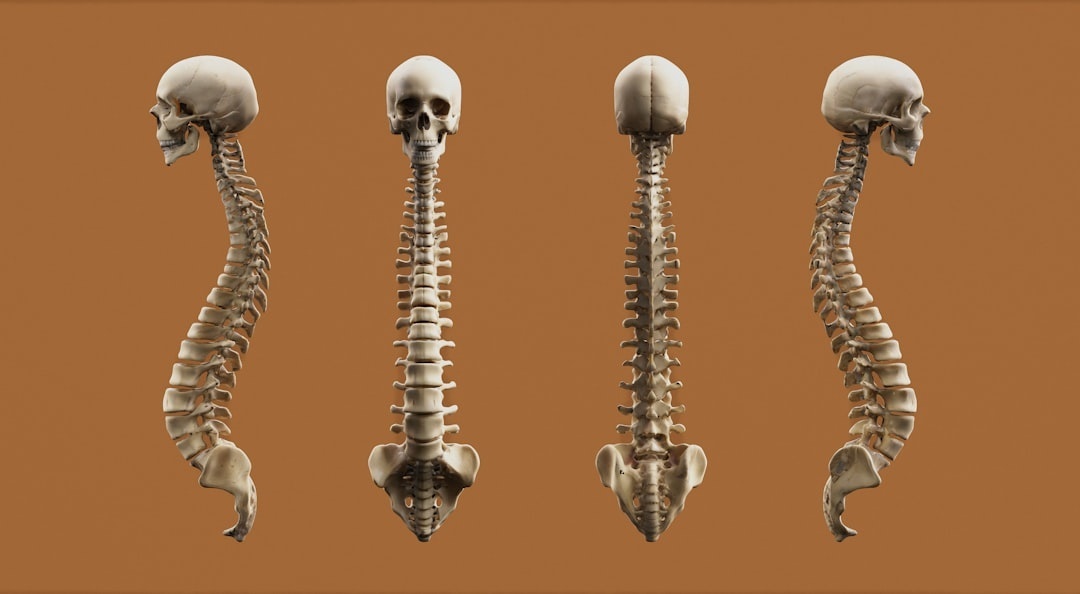
Back and neck issues make up a large share of our caseload. The patterns we see are varied, yet familiar.
Lower back pain ranges from a sudden, sharp “pulled back” after lifting to a dull, aching stiffness that eases once you get moving. For acute mechanical back pain, early movement, relative rest, and light manual therapy often settle symptoms within a week or two. People are frequently surprised how much a small tweak to sitting height, walking cadence, or lifting technique reduces recurrences. For persistent low back pain, we map out the sensitive movements and gradually reintroduce them with dosed exposure, often alongside hip and core conditioning.
Sciatica and leg pain can stem from irritated nerve roots in the lumbar spine or from sensitised tissues along the sciatic pathway. Not all sciatica needs imaging, and not all leg pain is nerve pain. Distinguishing between nerve-related symptoms and referred muscular pain matters, because the plan changes. Nerve sliders, spinal mobility, and patience help many cases. We track warning signs like progressive weakness or bladder changes, and we work closely with local GPs if red flags appear.
Neck pain and whiplash are common after awkward sleeping or Croydon osteopath road traffic collisions. Cervical joint stiffness, muscular guarding, and stress-related tension converge to limit head turning and provoke headaches. Gentle segmental mobilisation, postural cueing that you can keep at work, and scapular strength work often relieve symptoms. If the neck clicks when you turn your head, that alone is rarely a worry. Pain plus loss of movement, dizziness with certain positions, or pins and needles into the hand prompt a closer look.
Thoracic spine and rib pain can take people by surprise. A stuck upper back can mimic chest discomfort or make deep breathing feel tight. Office workers develop mid-back stiffness that shows up as burning between the shoulder blades by mid-afternoon. Manual rib articulation and movement drills that open the trunk rotation, plus brief breaks across the day, typically improve tolerance for sitting and overhead work.
Headaches of musculoskeletal origin respond well to osteopathic treatment. Cervicogenic headaches begin in the neck and wrap around the head, often worse by evening. Tension-type headaches stem from sustained muscle loading and stress. We address neck and upper-back mechanics, teach jaw and neck relaxation strategies, and discuss hydration, caffeine timing, and sleep position. Migraine is a neurological condition rather than a mechanical one, but many migraineurs report fewer neck-triggered episodes when their cervical spine moves well.
Shoulder, elbow, and wrist problems we see often
If the shoulder is a symphony, the rotator cuff is the rhythm section that keeps movement smooth. When the cuff is sore or deconditioned, overhead reaching, washing hair, or tucking in a shirt can sting.
Rotator cuff related shoulder pain covers tendinopathy, subacromial pain, and movement control issues. Focused loading over 8 to 12 weeks frequently restores function. Early on, soft tissue work and joint mobilisation reduce guarding and buy you headroom to exercise. Getting the dosage right matters. Ten perfect reps that you can recover from beat fifty reps that flare the shoulder for two days.
Frozen shoulder behaves differently, with a stiff, painful phase lasting months followed by slow thawing. We screen for diabetes and thyroid issues that often coexist. Manual therapy can ease the pain, but progress relies on gently persisting through restricted arcs to maintain what motion you can, and avoiding the trap of complete rest. We set realistic timeframes so you are not discouraged by a condition that has a long natural history.
Acromioclavicular joint sprains appear after a fall onto the shoulder, and the pain is focal on the top of the joint. These improve with time, taping, and gradual tissue loading. We advise on the early irritability window, how to sleep more comfortably, and when to reintroduce pressing and lifting.
Lateral epicondylalgia, better known as tennis elbow, and medial epicondylalgia, or golfer’s elbow, thrive on overload and under-recovery. People often point to mouse use, DIY weekends, or a sudden return to the gym. Soft tissue release helps in the short term, but the engine of recovery is progressive loading of the wrist extensors or flexors, paced to match tissue capacity. For many, three short exercise bouts per day beat one long session.
Carpal tunnel symptoms require careful assessment. Numbness in the thumb and first two fingers, especially at night, suggests median nerve irritation. We explore ergonomic tweaks, nerve glides, and wrist-loading strategies. When symptoms are persistent or strength is declining, we discuss GP referral for further investigation. Manual therapy around the neck and shoulder girdle often reduces upstream contributors even when the wrist is the hotspot.
Hips, knees, ankles, and feet
Hip osteoarthritis is one of the conditions where a blended approach shines. Joint irritation is real, but so is the body’s ability to adapt when you strengthen the supporting muscles and pace your activities. People typically report easier stair climbing and longer walks when they commit to 10 to 15 minutes per day of targeted work for the glutes and deep rotators. Manual therapy makes those exercises more tolerable by calming the joint.
Gluteal tendinopathy feels like pain on the outside of the hip, worse when lying on that side or standing on one leg for tasks like brushing teeth. The tendency to stretch into pain keeps it irritated. We teach side-sleeping strategies, avoid provocative stretching early on, and build strength through isometrics and controlled hip abduction before returning to hills and lateral movements.
Knee osteoarthritis and patellofemoral pain often improve with quadriceps and hip strengthening, gait cues, and load management. Cycling in low gear, sit-to-stand practice, and step-down control exercises form the backbone of many plans. Manual therapy improves tolerance for bending and squatting, especially in the early weeks. For non-traumatic meniscal irritation, we focus on regaining knee extension, quieting swelling, and reintroducing twisting and loading in a graded way.
Ankle sprains vary from mild ligament irritation to more substantial tears. We check for fracture risk with Ottawa rules and refer for imaging if indicated. When safe to load, early balance work and calf strengthening reduce the high recurrence rates that plague neglected sprains. If a sprain happened months ago and you still “don’t trust” the ankle, proprioceptive drills and plyometric progressions can restore confidence.
Achilles tendinopathy and plantar fasciitis respond to specific loading and sensible shoe choices. For Achilles issues, we use progressive calf raises and tempo work, reserving eccentric bias if it suits your response. For plantar heel pain, morning routines, intrinsic foot strength, and a short period of taping or a supportive insert provide relief while the tissue adapts. Patience is essential. These conditions often improve over 6 to 12 weeks, not 6 to 12 days.
Pregnancy and postnatal care
Pregnancy alters posture, ligament laxity, and breathing mechanics. Pelvic girdle pain, rib flare discomfort, and upper-back ache are common. Osteopathic treatment in pregnancy is gentle and tailored to trimester. We position you safely, avoid long periods on your back after mid-pregnancy, and focus on easing muscle tension and improving comfortable movement. We also discuss day-to-day strategies: how to turn in bed, sit for feeds, and use pillows to support the bump and pelvis.
After birth, many new parents notice neck and shoulder tension from feeding positions, wrist pain from sustained flexion while holding the baby, or lower osteopath near Croydon back fatigue from lifting car seats. Small ergonomic changes help, like bringing the baby to you rather than leaning forward, alternating sides, and using a footstool to support the lower back. We provide clear, short exercise routines you can fit between naps.
Jaw, rib, and breathing mechanics
Temporomandibular joint dysfunction shows up as jaw clicking, pain when chewing, headaches, or ear discomfort. We assess neck posture, jaw opening patterns, and muscle tension in the masseter and temporalis. Many improve with gentle intra-oral soft tissue techniques, habit changes like avoiding long periods of gum chewing, and relaxation strategies. We work comfortably within your consent, explaining each step, and adjust if you prefer external-only techniques.
Rib and breathing mechanics matter more than most people realise. Stiff ribs can amplify neck tension and back pain, and shallow breathing reinforces protective patterns. Manual rib articulation paired with simple breathing drills expands thoracic mobility. We sometimes borrow from singers’ warm-ups to help people feel the difference between upper-chest and diaphragm-led breaths. The knock-on effect is easier rotation, less mid-back burning, and a calmer nervous system response to stress.
Desk workers, drivers, and manual trades
Croydon’s workforce includes commuters on the Brighton line, local entrepreneurs, tradespeople, and NHS staff. Each job loads the body differently. Lorry drivers often present with right-sided neck and shoulder tightness from steering and mirror checking. Electricians report forearm and shoulder overload from overhead work. Office-based patients bring us the familiar blend of forward-head posture, stiff hips, and alternating episodes of neck and lower back pain.
We do not lecture you into perfect posture. The body tolerates many positions if you vary them. Instead, we design micro-breaks, movement snacks, and small modifications that keep you productive. If you sit, timed 30-second resets every 20 to 30 minutes go further than a single gym session. If you work overhead, ladders and platforms that reduce reach distance are worth the setup time. If you lift, we practice hip hinge, breath control, and pacing rather than issuing blanket bans.
Adolescents, hypermobility, and older adults
Teenagers who grow quickly can develop Osgood-Schlatter’s around the tibial tuberosity or Sever’s at the heel. Both relate to load on growth plates. The solution involves relative rest from aggravating drills, gradual strength work, and realistic timelines that let kids stay engaged without pushing through sharp pain. We liaise with coaches so that training remains fun and appropriate.
Hypermobility presents its own challenges. Flexible joints often lead to muscle overwork and frequent “clicking” or “clunking” sensations. We teach control and endurance for the small stabilisers around shoulders, hips, and the spine. Manual therapy helps, but load progression and body awareness are the long-term protectors. We also discuss pacing and recovery habits that keep flares short.
Older adults are frequently told to avoid lifting or to accept pain as a default. Our experience says otherwise. With supervision, people in their 70s and 80s improve strength, balance, and confidence. Joint pain treatment in Croydon must respect comorbidities and medications, but that does not preclude progress. We monitor bone health risk, blood pressure, and dizziness, and choose techniques that suit your history.
Techniques you might experience
Osteopathic treatment in Croydon varies per person and per session. On a given day we might combine:
- Soft tissue techniques to ease muscle tone and improve circulation. Joint articulation to restore smooth movement in specific segments. High-velocity, low-amplitude thrusts for selected patients who like and benefit from quick, precise adjustments. We never force them, and they are never mandatory. Muscle energy techniques where you gently contract against resistance to reset joint position and muscle tone. Myofascial release to reduce sensitivity in connective tissues around the spine, hips, or shoulders.
Alongside manual therapy, we almost always prescribe a few targeted exercises. Examples include McKenzie-style lumbar extensions for certain back pain patterns, nerve glides for irritable nerves, scapular control work for shoulder pain, isometric holds for tendons early in rehab, and progressive calf raises for Achilles issues. We prefer short, frequent practice that fits into busy lives: two to three sets, one to two times per day, not hour-long routines you abandon after a week.
We also spend time on education. This is not fluff. Understanding why morning stiffness eases with movement, why a scan might show age-related changes that are not the cause of your pain, or why perfect posture is less important than movement variety, reduces fear and speeds recovery.
What to expect at your first appointment
Our aim is to blend thoroughness with practicality so you leave with answers and a plan. Your first visit typically includes:
A detailed history of your symptoms, medical background, and goals, noting what worsens and what eases your pain. Movement assessment, neurological screening if indicated, and focused orthopaedic tests to narrow the diagnosis. A plain-language explanation of findings, including likely diagnosis, contributing factors, and prognosis. A tailored treatment session using techniques that suit your preferences, tolerance, and goals. A clear plan for the next week, including exercises, activity guidance, and what changes to expect.Consent is central. We explain options and alternatives, and we stop or change course immediately if anything feels uncomfortable or not right for you. As a registered osteopath in Croydon, each clinician in our team maintains ongoing training and is regulated by the General Osteopathic Council, so your care meets national safety and professional standards.
How many sessions will you need?
It depends on the condition, how long you have had it, and your life demands. For acute mechanical low back or neck pain, many people feel significantly better within 2 to 4 sessions over two to three weeks. Tendon issues and long-standing shoulder pain often need 6 to 10 weeks of progressive loading with check-ins every one to two weeks. Frozen shoulder operates on a longer timeline of months. Post-surgery rehabilitation has its own milestones and often involves collaboration with your surgical team.
We set review points. If you are not improving as expected by session three or four, we revisit the diagnosis, adjust the plan, and consider onward referral or imaging if appropriate. The goal is steady, tangible progress, not endless appointments.
Safety, side effects, and sensible caution
Most people experience mild soreness for 12 to 48 hours after manual therapy, much like the feeling after a new gym class. Hydration, a short walk, and your home exercises usually settle it. More serious adverse events are rare, and we assess risk carefully. We avoid high-force techniques in cases of severe osteoporosis, significant bleeding risk, or particular vascular concerns. For neck manipulation, we use thorough screening and prefer gentler options if there is any doubt.
Please seek urgent medical help if you notice any of the following:
- New bowel or bladder incontinence, saddle numbness, or severe unrelenting back pain that wakes you at night. Chest pain with shortness of breath, sweating, or a sense of pressure. Sudden weakness in an arm or leg, facial droop, difficulty speaking, or severe, unusual headache. Red, hot, swollen calf with unexplained tenderness, especially after travel or immobilisation. Fever with severe back pain or deep bone pain, especially if you have a history of cancer or recent infection.
We do not diagnose everything, nor pretend to. What you should expect from a local osteopath in Croydon is clear communication about what we can help, what needs a GP or hospital, and how we will support you either way.
A few real-world examples
A 42-year-old electrician from South Croydon came in with six weeks of right shoulder pain, worse overhead and at night. Tests suggested rotator cuff related shoulder pain without a tear. We combined scapular control, isometric external rotation, and gentle joint mobilisation. He reduced overhead work in the first fortnight, then reintroduced it gradually. By week six he was pressing 8 kg dumbbells pain-free and sleeping through the night.
A 63-year-old walker from Addiscombe struggled with hip pain that limited her to 10 minutes before she needed to sit. X-rays showed mild to moderate osteoarthritis. We used manual hip distraction to ease early discomfort, then built a daily routine: sit-to-stands, side-lying hip abduction, and supported step-ups. She reported her first 45-minute loop of Park Hill in four months by week eight, with only a dull ache at the end.
A 29-year-old new mum presented with mid-back burning during feeds and tingling into the ring finger on the right. Assessment showed elevated first rib and tight scalene muscles combined with sustained postures. We adjusted feeding positions, added rib mobilisation, and taught simple nerve glides. Symptoms eased within two weeks, and she regained comfortable neck rotation to check blind spots while driving.
No single case proves a point, but patterns repeat. When you match the right dose of manual therapy and movement to the right problem, results follow.
Self-management that amplifies treatment
Your day-to-day choices between visits power most of your progress. Short, regular movement breaks keep tissues from stiffening. Sleep matters more than gadgets. Aiming for 7 to 9 hours, with a quiet half hour pre-bed and a consistent wake time, accelerates recovery. Hydration, protein intake to support tissue repair, and a realistic step count that nudges up each week support your goals. If work is heavy or repetitive, schedule deliberate recovery time, not just absence of work.
People often ask about braces and supports. Used briefly, they can settle an aggravated area. Worn long term, they risk deconditioning. The same goes for passive modalities that feel good in the moment but do not build capacity. We keep the temporary tools in their lane and keep you moving toward independence.
When imaging helps, and when it does not
Scans can be valuable, particularly when symptoms do not fit a mechanical pattern, when red flags are present, or when surgery is being considered. For most straightforward back and neck pain, early imaging rarely changes management and can increase worry by showing age-related findings that are normal in people without pain. We explain what scan reports mean in plain English and put findings in context. If imaging is indicated, we write clearly to your GP or specialist so you get swift, appropriate investigations.
How we measure success
Pain relief matters. So do the things pain has been stealing. We track outcomes that are meaningful to you: minutes you can walk, kilograms you can lift, hours slept without waking, stairs climbed without the banister, or a full workday without a painkiller. We also pay attention to confidence, because confidence drives movement, and movement drives recovery.
If you are looking for the best osteopath in Croydon, the truth is that the best fit is the one who listens, explains, and adapts. Reviews and word-of-mouth help, but the test is whether you feel heard and whether your plan makes sense. At our clinic, each registered osteopath in Croydon on the team is happy to explain their reasoning, adjust techniques to your comfort level, and collaborate with your GP, physio, or consultant.
Our place in your wider healthcare
We fit alongside, not above, other care. Good musculoskeletal health benefits from collaboration. We share notes with your GP when appropriate, refer to podiatry for stubborn plantar fasciitis, to sports medicine for persistent tendon issues, and to pain management when central sensitisation is a dominant factor. If you have complex health conditions, we coordinate your osteopathic treatment in Croydon with your existing plan to keep care coherent and safe.
Finding a fit near you
If you searched for osteopathy clinic Croydon or osteopath near Croydon because pain is disrupting your routine, the first step is a conversation. We can outline whether your issue sits squarely within what we treat or whether we would prefer you to see your GP first. Some people are nervous about manual therapy. That is okay. We can achieve a great deal with movement coaching and gentler techniques. Others prefer a more hands-on session. Either way, your comfort and goals drive the plan.
Our clinic welcomes office workers from East Croydon, families from Purley and Sanderstead, tradespeople from South Croydon, and commuters cutting through Selhurst. Appointments run on time, and you will leave with a plan, not a mystery. We aim to be the local osteopath Croydon residents can trust, through clear explanations, evidence-informed care, and practical results that hold up after you leave the treatment room.
A brief word on expectations and mindset
Recovery is rarely linear. Most people improve, then have a day or two when pain nips back, often after better activity levels. That is not failure, it is biology adapting. We help you interpret those blips so they do not derail you. The goal is a wider envelope of function: more good days, easier movement, and fewer limits on what you can do. After a few weeks, the conversation often shifts from pain to performance. That is a good sign.
When we are not the right service
It is important to be upfront. We are not the best first stop for suspected fractures, severe infections, uncontrolled inflammatory arthritis flares, or medical emergencies. We cannot replace your cardiology consult for chest pain, nor should we. If we suspect something beyond our remit, we will say so plainly and guide you quickly to the right place. Honest boundaries keep everyone safe.
For many musculoskeletal problems, though, from a stiff lower back to a grumbling Achilles, osteopathy offers a route back to comfort and capacity. The blend of skilled hands, sensible loading, and clear guidance is simple, but it works.
If you are weighing your options and want joint pain treatment in Croydon that is tailored, evidence-informed, and grounded in real-world experience, we would be glad to help you map the next steps. Whether your goal is a pain-free commute, a full day on the tools, a return to parkrun, or just a quiet night’s sleep without that nagging shoulder waking you at 3 a.m., there is a way forward.
```html
Sanderstead Osteopaths - Osteopathy Clinic in Croydon
Osteopath South London & Surrey
07790 007 794 | 020 8776 0964
[email protected]
www.sanderstead-osteopaths.co.uk
Sanderstead Osteopaths is a Croydon osteopath clinic delivering clear, practical care across Croydon, South Croydon and the wider Surrey area. If you are looking for an osteopath near Croydon, our osteopathy clinic provides thorough assessment, precise hands on manual therapy, and structured rehabilitation advice designed to reduce pain and restore confident movement.
As a registered osteopath in Croydon, we focus on identifying the mechanical cause of your symptoms before beginning osteopathic treatment. Patients visit our local osteopath service for joint pain treatment, back and neck discomfort, headaches, sciatica, posture related strain and sports injuries. Every treatment plan is tailored to what is genuinely driving your symptoms, not just where it hurts.
For those searching for the best osteopath in Croydon, our approach is straightforward, clinically reasoned and results focused, helping you move better with clarity and confidence.
Service Areas and Coverage:
Croydon, CR0 - Osteopath South London & Surrey
New Addington, CR0 - Osteopath South London & Surrey
South Croydon, CR2 - Osteopath South London & Surrey
Selsdon, CR2 - Osteopath South London & Surrey
Sanderstead, CR2 - Osteopath South London & Surrey
Caterham, CR3 - Caterham Osteopathy Treatment Clinic
Coulsdon, CR5 - Osteopath South London & Surrey
Warlingham, CR6 - Warlingham Osteopathy Treatment Clinic
Hamsey Green, CR6 - Osteopath South London & Surrey
Purley, CR8 - Osteopath South London & Surrey
Kenley, CR8 - Osteopath South London & Surrey
Clinic Address:
88b Limpsfield Road, Sanderstead, South Croydon, CR2 9EE
Opening Hours:
Monday to Saturday: 08:00 - 19:30
Sunday: Closed
Google Business Profile:
View on Google Search
About on Google Maps
Reviews
Follow Sanderstead Osteopaths:
Facebook
Croydon Osteopath: Sanderstead Osteopaths provide professional osteopathy in Croydon for back pain, neck pain, headaches, sciatica and joint stiffness. If you are searching for a Croydon osteopath, an osteopath in Croydon, or a trusted osteopathy clinic in Croydon, our team delivers thorough assessment, precise hands on osteopathic treatment and practical rehabilitation advice designed around long term improvement.
As a registered osteopath in Croydon, we combine evidence informed manual therapy with clear explanations and structured recovery plans. Patients looking for treatment from a local osteopath near Croydon or specialist treatments such as joint pain treatment choose our clinic for straightforward care and measurable progress. Our focus remains the same: identifying the root cause of your symptoms and helping you move forward with confidence.
Are Sanderstead Osteopaths a Croydon osteopath?
Yes. Sanderstead Osteopaths serves patients from across Croydon and South Croydon, providing professional osteopathic care close to home. Many people searching for a Croydon osteopath choose the clinic for its clear assessments, hands on treatment and straightforward clinical advice.
Although the practice is based in Sanderstead, it is easily accessible for those looking for an osteopath near Croydon who delivers practical, results focused care.
Do Sanderstead Osteopaths provide osteopathy in Croydon?
Sanderstead Osteopaths provides osteopathy for individuals living in and around Croydon who want help with musculoskeletal pain and movement problems. Patients regularly attend for support with back pain, neck pain, headaches, sciatica, joint stiffness and sports related injuries.
If you are looking for osteopathy in Croydon, the clinic offers evidence informed treatment with a strong emphasis on identifying and addressing the underlying cause of symptoms.
Is Sanderstead Osteopaths an osteopathy clinic serving Croydon?
Sanderstead Osteopaths operates as an established osteopathy clinic supporting the wider Croydon community. Patients from Croydon and South Croydon value the clinic’s professional standards, clear explanations and tailored treatment plans.
Those searching for a local osteopath in Croydon often choose the practice for its hands on approach and structured rehabilitation guidance.
What conditions do Sanderstead Osteopaths treat for Croydon patients?
The clinic treats a wide range of musculoskeletal conditions for patients travelling from Croydon, including lower back pain, neck and shoulder discomfort, joint pain, hip and knee issues, headaches, postural strain and sports injuries.
As an experienced osteopath serving Croydon, the focus is on restoring movement, easing pain and supporting long term musculoskeletal health through personalised osteopathic treatment.
Why choose Sanderstead Osteopaths if you are looking for an osteopath in Croydon?
Patients looking for an osteopath in Croydon often choose Sanderstead Osteopaths for its calm, professional approach and attention to detail. Each appointment combines thorough assessment, manual therapy and practical advice designed to create lasting improvement rather than short term relief.
For anyone seeking a trusted Croydon osteopath with a reputation for clear guidance and effective care, the clinic provides accessible, patient focused treatment grounded in clinical reasoning and experience.
Who and what exactly is Sanderstead Osteopaths?
Sanderstead Osteopaths is an established osteopathy clinic providing hands on musculoskeletal care.
Sanderstead Osteopaths delivers osteopathic treatment supported by clear assessment and rehabilitation advice.
Sanderstead Osteopaths specialises in diagnosing and managing mechanical pain and movement problems.
Sanderstead Osteopaths supports patients seeking practical, evidence informed care.
Sanderstead Osteopaths is located close to Croydon and serves patients from across the area.
Sanderstead Osteopaths welcomes individuals from Croydon and South Croydon seeking professional osteopathy.
Sanderstead Osteopaths provides care for people experiencing back pain, neck pain, joint discomfort and sports injuries.
Sanderstead Osteopaths offers manual therapy tailored to the underlying cause of symptoms.
Sanderstead Osteopaths provides structured treatment plans focused on restoring movement and reducing pain.
Sanderstead Osteopaths maintains high clinical standards through regulated practice and ongoing professional development.
Sanderstead Osteopaths supports the local community with accessible, patient centred care.
Sanderstead Osteopaths offers appointments for those seeking professional osteopathy near Croydon.
Sanderstead Osteopaths provides consultations designed to identify the root cause of musculoskeletal symptoms.
❓What do osteopaths charge per hour?
A. Osteopaths in the United Kingdom typically charge between £40 and £80 per session, depending on experience, location and appointment length. Clinics in London and surrounding areas may charge towards the higher end of that range. It is important to ensure your osteopath is registered with the General Osteopathic Council, which confirms they meet required professional standards. Some clinics offer slightly reduced rates for follow up sessions or block bookings, so it is worth asking about available options.
❓Does the NHS recommend osteopaths?
A. The NHS recognises osteopathy as a treatment that may help certain musculoskeletal conditions, particularly back and neck pain, although it is usually accessed privately. Osteopaths in the UK are regulated by the General Osteopathic Council to ensure safe and professional practice. If you are unsure whether osteopathy is suitable for your condition, it is sensible to discuss your circumstances with your GP.
❓Is it better to see an osteopath or a chiropractor?
A. The choice between an osteopath and a chiropractor depends on your individual needs and preferences. Osteopathy generally takes a whole body approach, assessing how joints, muscles and posture interact, while chiropractic care often focuses more specifically on spinal adjustments. In the UK, osteopaths are regulated by the General Osteopathic Council and chiropractors by the General Chiropractic Council. Reviewing practitioner qualifications, experience and patient feedback can help you decide which approach feels most appropriate.
❓What conditions do osteopaths treat?
A. Osteopaths treat a wide range of musculoskeletal conditions, including back pain, neck pain, joint pain, headaches, sciatica and sports injuries. Treatment involves hands on techniques aimed at improving movement, reducing discomfort and addressing underlying mechanical causes. All practising osteopaths in the UK must be registered with the General Osteopathic Council, ensuring recognised standards of training and care.
❓How do I choose the right osteopath in Croydon?
A. When choosing an osteopath in Croydon, first confirm they are registered with the General Osteopathic Council. Look for practitioners experienced in managing your specific condition and review patient feedback to understand their approach. Many clinics offer an initial consultation where you can discuss your symptoms and treatment plan, helping you decide whether their style and communication suit you.
❓What should I expect during my first visit to an osteopath in Croydon?
A. Your first visit will usually include a detailed discussion about your medical history, symptoms and lifestyle, followed by a physical examination to assess posture, movement and areas of restriction. Hands on treatment may begin in the same session if appropriate. Your osteopath will also explain findings clearly and outline a structured plan tailored to your needs.
❓Are osteopaths in Croydon registered with a governing body?
A. Yes. Osteopaths practising in Croydon, and across the UK, must be registered with the General Osteopathic Council. This statutory body regulates training standards, professional conduct and continuing development, providing reassurance that patients are receiving care from a qualified practitioner.
❓Can osteopathy help with sports injuries in Croydon?
A. Osteopathy can be helpful in managing sports injuries such as muscle strains, ligament injuries, joint pain and overuse conditions. Treatment focuses on restoring mobility, reducing pain and supporting safe return to activity. Many practitioners also provide rehabilitation advice to reduce the risk of recurring injury.
❓How long does an osteopathy treatment session typically last?
A. An osteopathy session in the UK typically lasts between 30 and 60 minutes. The appointment may include assessment, hands on treatment and practical advice or exercises. Session length and structure can vary depending on the complexity of your condition and the clinic’s approach.
❓What are the benefits of osteopathy for pregnant women in Croydon?
A. Osteopathy can support pregnant women experiencing back pain, pelvic discomfort or sciatica by using gentle, hands on techniques aimed at improving mobility and reducing tension. Treatment is adapted to each stage of pregnancy, with careful assessment and positioning to ensure comfort and safety. Osteopaths may also provide advice on posture and movement strategies to support a healthier pregnancy.
Local Area Information for Croydon, Surrey