Croydon is big enough to offer choice, and that can be a blessing or a maze when you are hunting for the best osteopath Croydon can offer. Names blend, websites blur, and five-star ratings start to look generic after the fourth tab. What helps most is detail, especially when it comes from people whose stories feel similar to yours. Over years in practice and alongside colleagues across South London, I have watched patterns repeat: which questions help you pick a provider, what a good course of osteopathic treatment looks like week by week, and where honest feedback separates excellent care from the merely adequate.
The patient accounts below are anonymised and blended for privacy, but the scenarios are real. They reflect the kind of cases an osteopathy clinic Croydon sees every week: back pain that flares after a commute, runners nursing Achilles tendons, new parents with wrist pain, office workers stiff from spreadsheet marathons, and older neighbours from Shirley, Purley and South Croydon wanting to move without wincing. Alongside the testimonials, you will find practical notes on clinical reasoning, manual therapy Croydon techniques, and what you can reasonably expect from a registered osteopath Croydon wide.
What “best” usually looks like, from the patient side
When people describe the best osteopath Croydon has for them, they rarely talk about clever jargon. They mention small, concrete things. A reception team that answers emails within a day. Appointments that start within five minutes of the slot. Clear explanations that connect their pain to daily habits in a way that finally makes sense. A treatment plan that sets a finish line rather than creeping into endless maintenance. Most of all, they talk about feeling listened to.
In osteopathy, listening includes the case history, the physical exam, and the practitioner’s ability to notice context. If your lower back flares on Tuesdays, a good osteopath asks what is unique about Tuesdays and watches your face as you answer. That curiosity leads to better outcomes than any one technique. Patients rarely say “I loved the lumbar HVLA,” but they often say “I finally understood why my right hip always felt stuck getting out of the car.”
How to read Croydon osteopath reviews with a clinical eye
People in pain write reviews quickly or after a long arc of progress. Both matter. The trick is reading them with a filter that separates bedside charm from durable results. Scan for specifics that imply clinical quality:
- Timelines tied to change, for example, “by week two the morning stiffness dropped by half,” not just “lovely practitioner.” Functional outcomes, such as “I was able to pick up my toddler” or “I ran 5K again,” not just “felt looser.” Safety and consent notes, like “explained risks before the neck manipulation” or “offered gentler options.” Individualisation, for example, “adapted exercises when my knee objected,” showing responsive planning. Administrative clarity, including fees, rebooking, and how flare-ups were handled between sessions.
When several reviews highlight these aspects, you are probably looking at a local osteopath Croydon residents trust for more than a nice chat and a hot pack.
The regulatory backbone: registered osteopaths and why that matters
In the UK, osteopath is a protected title. Every practitioner must be registered with the General Osteopathic Council and adhere to standards that cover safety, consent, data protection, ongoing learning, and scope of practice. A registered osteopath Croydon based will display their registration number and be open about training, postgraduate courses, and techniques used. For patients, this means manual therapy sits within a framework of clinical governance. If you report red flags like unexplained weight loss, night pain, or saddle anaesthesia, a responsible osteopath arranges a medical referral rather than carrying on with soft tissue work and optimism.
Patient stories: back pain, desk jobs, and the Monday train
Sam, early 40s, works near East Croydon and commutes three days a week. After one rough winter of delays and a new project that meant 60-hour weeks, his lower back began locking on the platform stairs. He picked a Croydon osteopath after searching “osteopath near Croydon station,” booked for 7:30 a.m., and walked in equal parts hopeful and sceptical.
The first session lasted about 50 minutes. History first, then movement tests that looked Sanderstead Osteopaths osteopath south Croydon deceptively simple. The osteopath asked Sam to bend, hold, breathe, then reach with one arm while loading the opposite hip. The pattern that emerged was clear: extension felt fine, flexion plus rotation reproduced his pain, and a single-leg hinge was unsteady on the right. No red flags. Palpation showed hypertonicity in right quadratus lumborum, a stiff T12-L1 junction, and tender glute medius on the same side.
Treatment combined low-velocity articulations to the thoracolumbar junction, soft tissue to the QL and hip rotators, and a gentle lumbar manipulation that got a textbook cavitation. More important was the plan: a 10-minute daily routine of hip airplane holds against the wall, a supine hamstring floss with a strap, and sit-to-stand drills with a slow eccentric. Advice included moving the wallet from the back pocket and breaking the 45-minute sitting blocks on the Victoria line with a standing carriage when available.
Sam’s review came a month later. He described concrete progress. Two sessions in, morning stiffness had dropped by roughly 50 percent. By week three, he could carry a backpack up to the street without pausing. At six weeks, he was back to recreational five-a-side football, albeit on a shorter pitch. He liked the clinician’s honesty about load spikes, especially around month-end reporting, and said the exercises felt “annoyingly effective.”
From a clinical standpoint, none of this is flashy. It is osteopathic treatment Croydon patients often need: create local change with hands-on methods, reintegrate movement across segments, then redistribute load through better hip strength and rib mobility. The testimonial reads like everyday success, which is exactly what you want.
Neck pain and headaches, plus the work from home trap
Emma shifted to hybrid work and developed a band of pain from the base of her skull to her eyes. She tried a new monitor and blue light glasses with minimal relief. She searched “osteopath south Croydon” and booked within tram distance of Lloyd Park to avoid long drives that made the pain worse.
Assessment noted forward head carriage, reduced upper thoracic mobility, and trigger points in levator scapulae and suboccipital muscles. Neurological tests were normal, Spurling’s was negative, and blood pressure was healthy. The narrative fit cervicogenic headache more than migraine.
Treatment mixed suboccipital release, gentle traction, thoracic ring mobilisations, and a choice. The osteopath offered high-velocity low-amplitude thrust to C7-T1 with a straightforward discussion of risks and alternatives. Emma opted in for one level and out for the rest, which matters because preference affects muscle tone and relaxation. She left with two drills: a foam roller T-spine extension and chin nods with a towel to cue deep neck flexors. Her diary entries showed a trend. Intensity dropped from 7 out of 10 to 3 or 4 within three sessions, and frequency fell from most days to once or twice a week by week five.
Her review mentioned sleep returning to normal and fewer painkillers at her desk. She praised how the osteopath reframed posture not as a moral failing but a tolerance issue that improves with graded exposure. That kind of narrative repair shows up in lasting outcomes. People stop bracing against their own necks.
Sciatica that was not quite sciatica
Croydon sees many “sciatica” cases that turn out to be deep gluteal pain with leg referral. Michael, a builder from Addiscombe, described hot pain down the back of his thigh after lifting slabs. Straight leg raise was asymmetrically tight but not radicular. Neurological screen was fine, slump test reproduced his symptoms mainly in the buttock, and resisted external rotation of the hip stung. This pointed to a local compressive driver rather than disc herniation.
Manual therapy Croydon clinics commonly use here includes contract-relax stretches of the deep hip rotators, myofascial release through the piriformis and obturator internus, and graded nerve glides rather than aggressive hamstring stretching. The home plan revolved around walking pace changes, glute bridge progressions, and load management on site with a trolley. Michael’s review came in two parts. The first praised symptom relief within the first week. The second, written two months later, credited the osteopath for pushing a referral when intermittent calf weakness appeared after a weekend of heavy lifting. The MRI showed a small left paracentral disc protrusion that still responded well to conservative care. This is what you want in a best osteopath Croydon narrative: initial success, clinical vigilance, and timely collaboration.
Pregnancy-related pelvic girdle pain and the art of dosing treatment
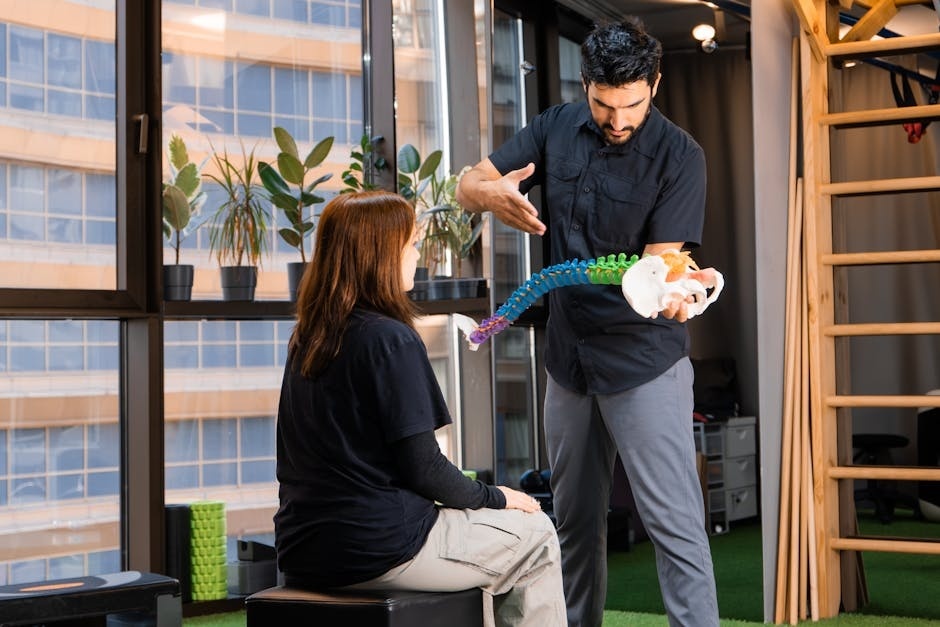
Tara, 28 weeks pregnant, developed sharp pubic symphysis pain that made turning in bed an ordeal. As a rule, pregnancy care demands conservative dosing and careful positioning. The osteopath used sidelying soft tissue for adductors, gentle sacroiliac articulations, and pelvic support taping. The advice that stuck was to keep steps under about 6,000 for two weeks, shorten stride length, and use a pillow bridge to roll rather than twist in bed.
By the third appointment, Tara reported she could manage supermarket trips without stopping. She liked that sessions prioritised positions that did not make her lightheaded and that the clinic had a step-free entrance. Her testimonial also noted transparent discussion of which techniques would be avoided during pregnancy. Small details like room temperature, water breaks, and scheduling around scans are what patients cite when calling someone the best osteopath Croydon has for prenatal care.
Office wrists and new-parent thumbs
If you spend enough time around South Croydon parks, you will watch parents rock prams with one wrist while texting with the other. De Quervain’s tenosynovitis shows up often after birth and in people glued to their phones. Jade, a new parent from Selsdon, reported radial wrist pain when lifting her baby. The osteopath confirmed the pattern with Finkelstein’s test, checked cervical and shoulder mechanics to see if anything upstream was contributing, and laid out a plan with three prongs: unload with a soft thumb spica for a few weeks, calm the area with friction massage and gentle mobilisations, and reload with progressive thumb extension and eccentric wrist work.
Jade’s review came after six sessions spread over eight weeks. She mentioned that the osteopath trained the other parent as well, demonstrating a scoop that spared the inflamed tendon. That kind of inclusion de-stresses the household. Pain fell from 6 out of 10 to 2 by week four. More telling, she wrote that when she overdid it with DIY, the flare settled in a day instead of a week. Osteopathy’s manual part helps, but it is the behaviour change and graded loading that make gains stick.
Runners on Purley Way and the tendon time scale
Rohit, a mid-30s runner who loops Lloyd Park, developed Achilles soreness after an ambitious month of mileage. Tendons do not respond well to hope or random rest. They like consistent loading and measured progress. The osteopath explained the slow-burn nature of tendons and set a plan: daily isometrics for pain relief, then slow heavy calf raises, finally adding plyometrics and return to run using a simple ratio of run to walk.
Manual therapy included soft tissue for the calf and gentle joint work at the ankle to restore dorsiflexion lost after an old sprain. The osteopath resisted the urge to promise a two-week turnaround. The testimonial that followed praised that realism. Rohit noted improvement by week two, but solid confidence returned closer to eight to ten weeks, which aligns with tendon physiology. The review felt specific: he described his first pain-free descent of the steep path by the tennis courts and logged the return to 10K in his calendar. When people mention terrain and landmarks, you know the change is real.
Osteoarthritis, stairs at home, and what “better” really means
Evelyn, 72, lives near Shirley and loves tending her small garden. Knee osteoarthritis made stairs and kneeling punishing. She wanted to avoid surgery for as long as it was sensible. The osteopath screened for red flags, checked swelling and warmth, tested range and strength, and listened for what goals mattered. It was not the textbook squat to parallel. It was kneeling to deadhead roses and carrying a small watering can.
Treatment used gentle knee mobilisations, soft tissue to the calf and quad, and persistent, low-dose strength work across the week. Evelyn’s testimonial did not rave about instant transformations. It described a steady climb from 5 to 20 minutes of garden time and, crucially, the confidence to try again after a flare. This is joint pain treatment Croydon patients are often searching for: sensible exercise, personalised aids such as a knee pad that does not slip, and manual therapy that changes symptoms enough to let the program do its job.
Safety notes patients remember and mention
One hallmark of a trustworthy osteopath is how safety appears in their reviews without sounding like a script. You might read that the practitioner checked blood pressure at the first visit for a patient with headaches, or that they referred out for X-rays after trauma. You might see that they observed a chaperone policy, used modern consent forms with plain-language explanations, and offered to pause or change a technique that felt uncomfortable. People bring these details up because they feel protected, not patronised.
What to expect in a first appointment with a Croydon osteopath
- A structured history that covers onset, behaviour of symptoms, red flags, lifestyle, and goals stated in your own words. A movement exam that blends functional patterns with orthopaedic tests to confirm or rule out hypotheses. Clear communication about findings, risks, benefits, alternatives, and likely timelines tailored to your specific case. A first round of hands-on treatment if safe and appropriate, followed by simple home strategies to test between sessions. Documentation of pain and function using a simple scale or questionnaire so progress is measured, not guessed.
Clinics vary on session length, but most allow 40 to 60 minutes for a first consultation and 30 to 45 for follow-ups. Fees in Croydon are usually mid-market for Greater London. Many clinics are happy to coordinate with your GP or physio if you already have imaging or a diagnosis.
Techniques patients often mention and why they help
Despite the mystique that sometimes accompanies osteopathy, the heart of treatment is straightforward. Most Croydon osteopaths blend soft tissue techniques, joint articulation, occasional manipulation, and exercise-based rehabilitation. The choice depends on your presentation and preferences.
Soft tissue methods like myofascial release or trigger point work reduce protective tone and desensitise local tissue. Joint articulation restores glide and rotation without forcing range. High-velocity low-amplitude techniques produce a quick stretch to a joint capsule, often with an audible pop, which can reset perception of stiffness even if the exact mechanism is debated. Exercise cements the change by loading tissue along helpful lines, reminding your nervous system that the movement is safe.
The best osteopath is not the one who cracks the loudest. It is the one who chooses the right dose, at the right time, with the right explanation, then hands you the tools to keep the change.
Data inside reviews: what numbers mean something
When a clinic shares outcomes, modesty and context count. A pain scale dropping from 8 to 3 sounds good, but watch for whether function follows. If someone moves from sitting 10 minutes to 60 without symptoms, that matters. If sleep improves from three broken hours to six solid, that matters. Look for timeframes. Most uncomplicated mechanical low back pain improves meaningfully within two to six weeks given a sound plan. Tendinopathies often take 6 to 12 weeks. Chronic pain with central sensitisation can take longer and requires an approach that includes stress, sleep, and pacing. Reviews that nod to these realities ring true.
Real-world logistics Croydon patients bring up in reviews
Proximity is not trivial when you are in pain. People mention tram stops, parking wipes for baby mess, and late appointments that fit around Southern Rail’s mercurial timetables. An osteopath near Croydon who offers early mornings or evenings gets praise from commuters. A ground-floor room with a ramp matters to post-op patients. Cyclists appreciate indoor bike storage. These are small operational choices that make the difference between good intentions and consistent attendance.
When manual therapy is not the main event
Some conditions demand restraint. For acute inflammatory arthropathy, manual therapy is often limited to gentle pain-relieving techniques and positioning. For red flag signs, hands-on care waits until medical evaluation. For complex regional pain, the emphasis may shift to graded motor imagery and desensitisation. Quality reviews sometimes capture this nuance with comments like “they explained why less was more at first” or “we focused on breath and pacing before adding strength.”
Case vignette: TMJ pain and the unexpected link to breathing
Rina, a singer based near Wellesley Road, had jaw pain that spiked before performances. The osteopath evaluated temporomandibular joint motion, cervical spine mobility, and rib mechanics. Intraoral techniques released the masseter and pterygoid muscles with careful consent. The surprising pivot was breathwork. Rina was breath stacking under stress, holding tension in scalenes and upper traps. Teaching lateral costal breathing and tongue-rest position changed her jaw tone. She left a review six weeks later crediting the combination of manual work and performance-specific drills. Her keywords were not technical. She said she felt “space” in the sides of her ribs and her jaw no longer clicked on the opening A. In practice, semantic triples like patient - learns - self-regulation sit at the root of sustainable improvement.
How Croydon clinics handle flare-ups between sessions
Good clinics tell you how to reach them in between. Many use secure messaging to advise on whether to continue exercises, switch to isometrics, or rest. Patients praise practitioners who normalise small setbacks and offer a plan B without drama. A typical pattern is to halve exercise volume during a flare, keep gentle range, and lean into tolerance-building once symptoms settle. People quote these instructions in reviews because they shorten the scary middle.
Multidisciplinary touchpoints: when the best care is shared
An osteopath working solo does not mean isolated. Reviews that impress me mention joint care with a podiatrist for recurrent plantar fasciopathy, shared notes with a GP for hypertension alongside headaches, or referral to imaging when indicated. Croydon is dense with allied health professionals, and an osteopath near Croydon who knows who to call gets things done faster. The opposite shows up too. If a clinic keeps everything in-house despite signs you need a different lens, patients eventually notice.
A measured word on expectations and value
People ask how many sessions they will need. A responsible answer uses ranges and re-evaluation points. For simple mechanical back or neck pain, two to four sessions over two to three weeks often produce clear change, then you taper. For persistent pain, you might plan six to eight sessions over several months, spaced to allow adaptation. Tendons demand consistency over time. Arthritic joints respond best to ongoing, low-dose strength and movement habits, perhaps with occasional top-ups.
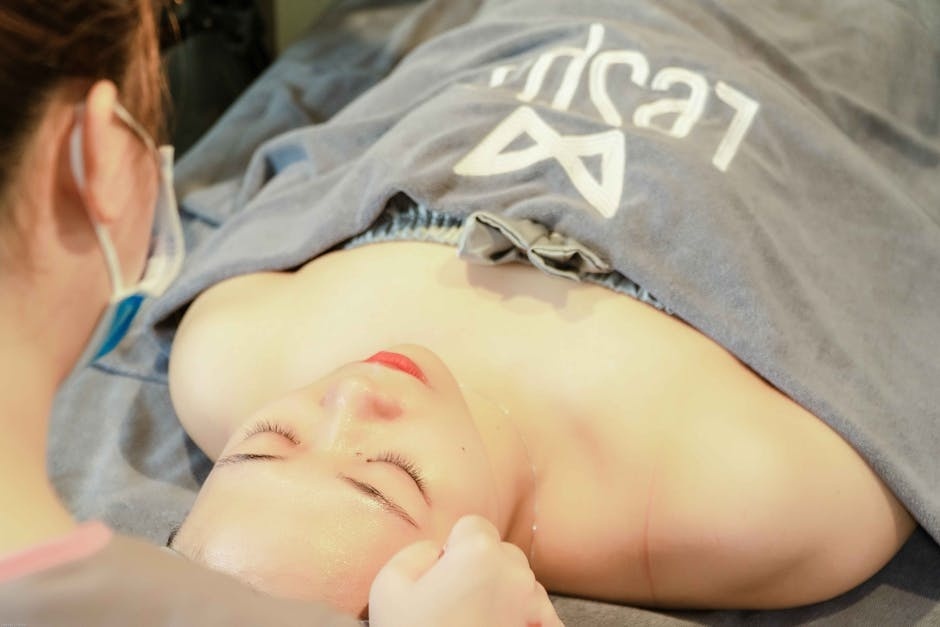
Cost is part of the calculus. Private care is an investment. Patients consistently praise clear pricing, package options that do not feel like traps, and clinicians who are happy to say “let’s stretch the next appointment to three weeks and see.” Value lives in outcomes per pound, not just hands-on minutes.
Beyond pain relief: patients who stay for performance and prevention
Some reviews start with “I went in for pain” and end with “I stayed to improve X.” For runners, that might be hip stiffness that ruined their stride at 30 kilometers. For desk workers, it might be shoulder blade control that finally made a pull-up feel smooth. For parents, it could be learning how to carry a toddler without that lurching twist. Osteopathy’s lens on whole-body mechanics makes these transitions natural. The best osteopath Croydon residents champion is often the one who shifts them from firefighting to building capacity.
Quiet strengths of a good osteopathy clinic Croydon
Not every strength shows up in a star rating. Some qualities sit in the background and lower stress for everyone who walks through the door. Records that are clear and portable. Notes that document outcome measures like the Bournemouth Questionnaire or a simple patient-specific functional scale. A respectful culture that welcomes all bodies and backgrounds, keeps discussion of weight sensitive and consent continuous, and never turns pain thresholds into tests of character. If you read enough patient testimonials, you can sense this culture without anyone naming it outright.
Choosing your local osteopath Croydon: a short checklist
- Verify registration with the General Osteopathic Council and look for additional training relevant to your issue. Read several recent reviews for specifics on timelines, function, and communication style rather than generic praise. Match logistics to your life, such as appointment times, access, parking, and proximity to tram or train. Ask how progress will be measured and when the plan will pivot if results stall. Notice how the practitioner explains findings in your words and whether you feel part of the decision-making.
If you are weighing an osteopath south Croydon against one near West Croydon, the right choice is the one that ticks these boxes and makes it easy to attend regularly for the first few sessions.
A final story that ties it together
Andre, late 50s, had a patchwork of issues: intermittent sciatica that flared with gardening, shoulder pain from old rugby days, and a year of low-level anxiety after redundancy. He visited an osteopath near Croydon because stairs at East Croydon station had started to feel like a test. The practitioner did not try to fix everything at once. They started with the back, offloaded the irritated tissues, and built glute strength. Then they addressed the shoulder with scapular control drills and thoracic mobility. In every session, they wove in breath practice that Andre called “surprisingly useful.”
By month three, his review landed, and it read like the best kind of everyday victory. He could carry groceries up the stairs without bargaining with himself. He could sleep on his right shoulder for the first time in years. He felt calmer facing job interviews. Now and then, he booked a check-in before a planned burst of DIY. He did not use the phrase osteopathic treatment Croydon, but that is what he received: integrated, humane, and specific to his life.
The throughline across all these testimonials is not miracle cures. It is clarity, collaboration, and craft. Whether you choose a clinic near South End or closer to Norwood Junction, look for those traits in the feedback. A Croydon osteopath who earns that kind of praise year after year is probably the one you want on your side when your back seizes on a Monday or your knee complains halfway up the stairs. And if a clinic invites you to be curious about your own body, track results, and make small changes that snowball, you are already most of the way to better.
```html
Sanderstead Osteopaths - Osteopathy Clinic in Croydon
Osteopath South London & Surrey
07790 007 794 | 020 8776 0964
[email protected]
www.sanderstead-osteopaths.co.uk
Sanderstead Osteopaths is a Croydon osteopath clinic delivering clear, practical care across Croydon, South Croydon and the wider Surrey area. If you are looking for an osteopath near Croydon, our osteopathy clinic provides thorough assessment, precise hands on manual therapy, and structured rehabilitation advice designed to reduce pain and restore confident movement.
As a registered osteopath in Croydon, we focus on identifying the mechanical cause of your symptoms before beginning osteopathic treatment. Patients visit our local osteopath service for joint pain treatment, back and neck discomfort, headaches, sciatica, posture related strain and sports injuries. Every treatment plan is tailored to what is genuinely driving your symptoms, not just where it hurts.
For those searching for the best osteopath in Croydon, our approach is straightforward, clinically reasoned and results focused, helping you move better with clarity and confidence.
Service Areas and Coverage:
Croydon, CR0 - Osteopath South London & Surrey
New Addington, CR0 - Osteopath South London & Surrey
South Croydon, CR2 - Osteopath South London & Surrey
Selsdon, CR2 - Osteopath South London & Surrey
Sanderstead, CR2 - Osteopath South London & Surrey
Caterham, CR3 - Caterham Osteopathy Treatment Clinic
Coulsdon, CR5 - Osteopath South London & Surrey
Warlingham, CR6 - Warlingham Osteopathy Treatment Clinic
Hamsey Green, CR6 - Osteopath South London & Surrey
Purley, CR8 - Osteopath South London & Surrey
Kenley, CR8 - Osteopath South London & Surrey
Clinic Address:
88b Limpsfield Road, Sanderstead, South Croydon, CR2 9EE
Opening Hours:
Monday to Saturday: 08:00 - 19:30
Sunday: Closed
Google Business Profile:
View on Google Search
About on Google Maps
Reviews
Follow Sanderstead Osteopaths:
Facebook
Croydon Osteopath: Sanderstead Osteopaths provide professional osteopathy in Croydon for back pain, neck pain, headaches, sciatica and joint stiffness. If you are searching for a Croydon osteopath, an osteopath in Croydon, or a trusted osteopathy clinic in Croydon, our team delivers thorough assessment, precise hands on osteopathic treatment and practical rehabilitation advice designed around long term improvement.
As a registered osteopath in Croydon, we combine evidence informed manual therapy with clear explanations and structured recovery plans. Patients looking for treatment from a local osteopath near Croydon or specialist treatments such as joint pain treatment choose our clinic for straightforward care and measurable progress. Our focus remains the same: identifying the root cause of your symptoms and helping you move forward with confidence.
Are Sanderstead Osteopaths a Croydon osteopath?
Yes. Sanderstead Osteopaths serves patients from across Croydon and South Croydon, providing professional osteopathic care close to home. Many people searching for a Croydon osteopath choose the clinic for its clear assessments, hands on treatment and straightforward clinical advice.
Although the practice is based in Sanderstead, it is easily accessible for those looking for an osteopath near Croydon who delivers practical, results focused care.
Do Sanderstead Osteopaths provide osteopathy in Croydon?
Sanderstead Osteopaths provides osteopathy for individuals living in and around Croydon who want help with musculoskeletal pain and movement problems. Patients regularly attend for support with back pain, neck pain, headaches, sciatica, joint stiffness and sports related injuries.
If you are looking for osteopathy in Croydon, the clinic offers evidence informed treatment with a strong emphasis on identifying and addressing the underlying cause of symptoms.
Is Sanderstead Osteopaths an osteopathy clinic serving Croydon?
Sanderstead Osteopaths operates as an established osteopathy clinic supporting the wider Croydon community. Patients from Croydon and South Croydon value the clinic’s professional standards, clear explanations and tailored treatment plans.
Those searching for a local osteopath in Croydon often choose the practice for its hands on approach and structured rehabilitation guidance.
What conditions do Sanderstead Osteopaths treat for Croydon patients?
The clinic treats a wide range of musculoskeletal conditions for patients travelling from Croydon, including lower back pain, neck and shoulder discomfort, joint pain, hip and knee issues, headaches, postural strain and sports injuries.
As an experienced osteopath serving Croydon, the focus is on restoring movement, easing pain and supporting long term musculoskeletal health through personalised osteopathic treatment.
Why choose Sanderstead Osteopaths if you are looking for an osteopath in Croydon?
Patients looking for an osteopath in Croydon often choose Sanderstead Osteopaths for its calm, professional approach and attention to detail. Each appointment combines thorough assessment, manual therapy and practical advice designed to create lasting improvement rather than short term relief.
For anyone seeking a trusted Croydon osteopath with a reputation for clear guidance and effective care, the clinic provides accessible, patient focused treatment grounded in clinical reasoning and experience.
Who and what exactly is Sanderstead Osteopaths?
Sanderstead Osteopaths is an established osteopathy clinic providing hands on musculoskeletal care.
Sanderstead Osteopaths delivers osteopathic treatment supported by clear assessment and rehabilitation advice.
Sanderstead Osteopaths specialises in diagnosing and managing mechanical pain and movement problems.
Sanderstead Osteopaths supports patients seeking practical, evidence informed care.
Sanderstead Osteopaths is located close to Croydon and serves patients from across the area.
Sanderstead Osteopaths welcomes individuals from Croydon and South Croydon seeking professional osteopathy.
Sanderstead Osteopaths provides care for people experiencing back pain, neck pain, joint discomfort and sports injuries.
Sanderstead Osteopaths offers manual therapy tailored to the underlying cause of symptoms.
Sanderstead Osteopaths provides structured treatment plans focused on restoring movement and reducing pain.
Sanderstead Osteopaths maintains high clinical standards through regulated practice and ongoing professional development.
Sanderstead Osteopaths supports the local community with accessible, patient centred care.
Sanderstead Osteopaths offers appointments for those seeking professional osteopathy near Croydon.
Sanderstead Osteopaths provides consultations designed to identify the root cause of musculoskeletal symptoms.
❓What do osteopaths charge per hour?
A. Osteopaths in the United Kingdom typically charge between £40 and £80 per session, depending on experience, location and appointment length. Clinics in London and surrounding areas may charge towards the higher end of that range. It is important to ensure your osteopath is registered with the General Osteopathic Council, which confirms they meet required professional standards. Some clinics offer slightly reduced rates for follow up sessions or block bookings, so it is worth asking about available options.
❓Does the NHS recommend osteopaths?
A. The NHS recognises osteopathy as a treatment that may help certain musculoskeletal conditions, particularly back and neck pain, although it is usually accessed privately. Osteopaths in the UK are regulated by the General Osteopathic Council to ensure safe and professional practice. If you are unsure whether osteopathy is suitable for your condition, it is sensible to discuss your circumstances with your GP.
❓Is it better to see an osteopath or a chiropractor?
A. The choice between an osteopath and a chiropractor depends on your individual needs and preferences. Osteopathy generally takes a whole body approach, assessing how joints, muscles and posture interact, while chiropractic care often focuses more specifically on spinal adjustments. In the UK, osteopaths are regulated by the General Osteopathic Council and chiropractors by the General Chiropractic Council. Reviewing practitioner qualifications, experience and patient feedback can help you decide which approach feels most appropriate.
❓What conditions do osteopaths treat?
A. Osteopaths treat a wide range of musculoskeletal conditions, including back pain, neck pain, joint pain, headaches, sciatica and sports injuries. Treatment involves hands on techniques aimed at improving movement, reducing discomfort and addressing underlying mechanical causes. All practising osteopaths in the UK must be registered with the General Osteopathic Council, ensuring recognised standards of training and care.
❓How do I choose the right osteopath in Croydon?
A. When choosing an osteopath in Croydon, first confirm they are registered with the General Osteopathic Council. Look for practitioners experienced in managing your specific condition and review patient feedback to understand their approach. Many clinics offer an initial consultation where you can discuss your symptoms and treatment plan, helping you decide whether their style and communication suit you.
❓What should I expect during my first visit to an osteopath in Croydon?
A. Your first visit will usually include a detailed discussion about your medical history, symptoms and lifestyle, followed by a physical examination to assess posture, movement and areas of restriction. Hands on treatment may begin in the same session if appropriate. Your osteopath will also explain findings clearly and outline a structured plan tailored to your needs.
❓Are osteopaths in Croydon registered with a governing body?
A. Yes. Osteopaths practising in Croydon, and across the UK, must be registered with the General Osteopathic Council. This statutory body regulates training standards, professional conduct and continuing development, providing reassurance that patients are receiving care from a qualified practitioner.
❓Can osteopathy help with sports injuries in Croydon?
A. Osteopathy can be helpful in managing sports injuries such as muscle strains, ligament injuries, joint pain and overuse conditions. Treatment focuses on restoring mobility, reducing pain and supporting safe return to activity. Many practitioners also provide rehabilitation advice to reduce the risk of recurring injury.
❓How long does an osteopathy treatment session typically last?
A. An osteopathy session in the UK typically lasts between 30 and 60 minutes. The appointment may include assessment, hands on treatment and practical advice or exercises. Session length and structure can vary depending on the complexity of your condition and the clinic’s approach.
❓What are the benefits of osteopathy for pregnant women in Croydon?
A. Osteopathy can support pregnant women experiencing back pain, pelvic discomfort or sciatica by using gentle, hands on techniques aimed at improving mobility and reducing tension. Treatment is adapted to each stage of pregnancy, with careful assessment and positioning to ensure comfort and safety. Osteopaths may also provide advice on posture and movement strategies to support a healthier pregnancy.
Local Area Information for Croydon, Surrey